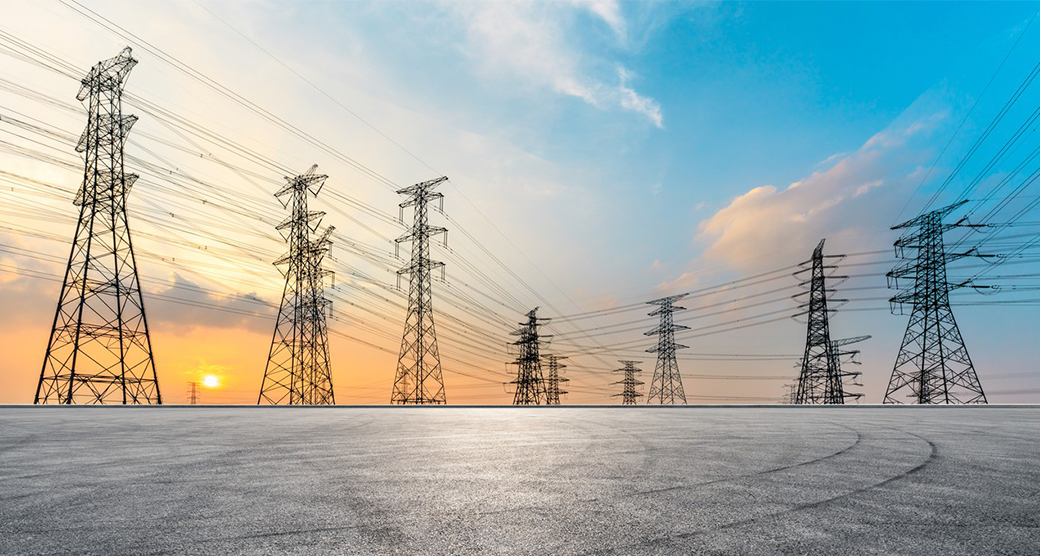





As the global energy landscape undergoes a seismic shift toward decarbonization, solar and wind power have moved from alternative options to primary infrastructure. However, the rapid expansion of Photovoltaic (PV) plants and offshore wind farms has highlighted a critical technical challenge: the reliability of the "circulatory system" of these plants—the specialized cabling.
In 2024 and beyond, the wire and cable industry is no longer just providing conductors; we are providing the durability that ensures renewable investments remain viable for decades.
1. The Harsh Reality of Solar Environments
Unlike indoor industrial wiring, solar cables are frontline soldiers against nature. Standard cables degrade rapidly under constant thermal stress and high-energy radiation. To meet the demands of modern solar farms, specialized Solar PV Cables (such as H1Z2Z2-K) must offer:
Extreme UV and Ozone Resistance: Preventing jacket brittleness and cracking over a 25-year lifespan.
Thermal Endurance: Operating reliably in ambient temperatures ranging from -40°C to +90°C, with max conductor temperatures reaching 120°C.
Hydrolysis Resistance: Vital for floating solar arrays (FPV) and regions with high humidity, preventing premature insulation breakdown.
2. High-Voltage Trends: Moving to 1500V Systems
A major trend in the global solar market is the transition from 1000V to 1500V DC systems. This shift allows for longer string lengths and fewer combiner boxes, significantly reducing overall system costs (Balance of System - BoS).
For cable manufacturers, this requires high-grade cross-linked polyolefin (XLPO) insulation that can handle higher electrical stress without increasing the cable diameter. Our latest 1500V-certified range is designed specifically to minimize power leakage and maximize energy yield for utility-scale projects.
3. Offshore Wind: The Frontier of Subsea Technology
Beyond solar, the offshore wind sector is driving innovation in Inter-array and Export cables. These cables must withstand constant dynamic movement, high salinity, and immense water pressure. The industry is seeing a surge in demand for 66kV and 132kV solutions, which reduce transmission losses compared to traditional 33kV lines, enabling wind farms to be built further out at sea where winds are stronger and more consistent.
4. Sustainability in Manufacturing (The "Green Cable")
The renewable energy industry is increasingly scrutinizing its own supply chain. "Green Energy" must be delivered by "Green Products." We are leading this transition by:
Implementing Lead-free and Halogen-free materials to reduce environmental impact.
Optimizing manufacturing processes to lower the Carbon Footprint per kilometer of cable produced.
Ensuring 100% compliance with RoHS and REACH international environmental standards.
Conclusion: A Long-Term Partnership for a Greener Grid
The efficiency of a multi-million dollar renewable project is only as strong as its weakest connection. As global EPC contractors and energy developers seek to de-risk their projects, the focus is shifting from "lowest initial cost" to "lowest Total Cost of Ownership (TCO)."